
Our 16th Year – Presenting to a Jury of One
Listen to this blog post:
During the upcoming Driving Diversity and Leadership conference hosted by The National Association of Minority and Women Owned Law Firms (NAMWOLF) in Phoenix, AZ, we will be discussing the differences between presenting complex financial cases to a jury versus presenting to a judge in a bench trial or to a panel in an arbitration.
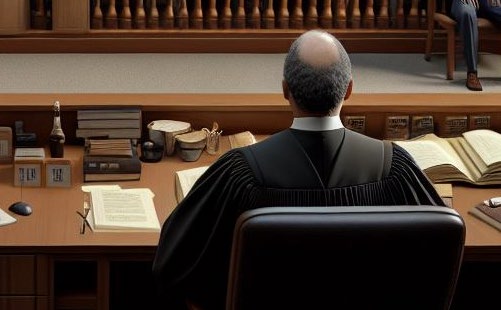
Acknowledging differences in presentation styles for audiences consisting of jurors and audiences consisting of only a judge (or arbitration panel), are often at the forefront of attorneys’ minds when initially drafting outlines. But the need for the factfinder (whomever it is) to understand arguments and case stories remains whether you are presenting to a full jury of twelve citizens or jury of one jurist, who is expected to have a better grasp of the law. Often judges want the same attention paid to the way the story is crafted and told. Giving it your attention, will undoubtedly yield an advantage, especially if you remember that judges can interrupt and ask questions, when jurors often cannot.
We have waxed poetic here on the virtues of rehearsing (https://www.suanningle.com/number-4-of-20-for-20-rehearsing-barriers-2/), but taking the time to rehearse remains one way to anticipate and be ready for the questions a judge might interrupt to ask. That said, being prepared for such interruptions is tricky. Having a few solid phrases ready is one tool. “That’s a great question,” for instance is a familiar crutch phrase people use to cushion their responses as they prepare to answer. Another is acknowledging a pause, to actually think about the answer before launching into it. “Well your honor, your question prompts the following points that come to mind as I stand here today.”
I remember a particular panel of three retired judges who were listening to evidence in a six week arbitration. Given the stakes, both sides had committed to full presentation audiovisual equipment for electronic displays, which included a large screen. During the initial setup, the judges remarked, “this seems a bit over the top, we probably won’t be using all this.” By day three of testimony, they were asking the presenting attorneys, “could you please display that?” Perhaps that is the reason that hearing went on to last nine months instead of six weeks.
Regardless, it behooves counsel to consider the view from the bench with as much care and attention to nuance as they prepare to persuade in a bench trial as they would for a jury trial.
#happytrails #happytrials
